Pedestrian Wayfinding
Historical cores frequently ban motorised transit. Approaching on foot via ancient mule tracks and GR footpaths reveals spatial planning originally calibrated for human pace.
Surviving masonry, hand-hewn timbers, and secluded geologies define the continent’s most authentic historical settlements, separated from modern tourist centres by centuries of continuous craft.
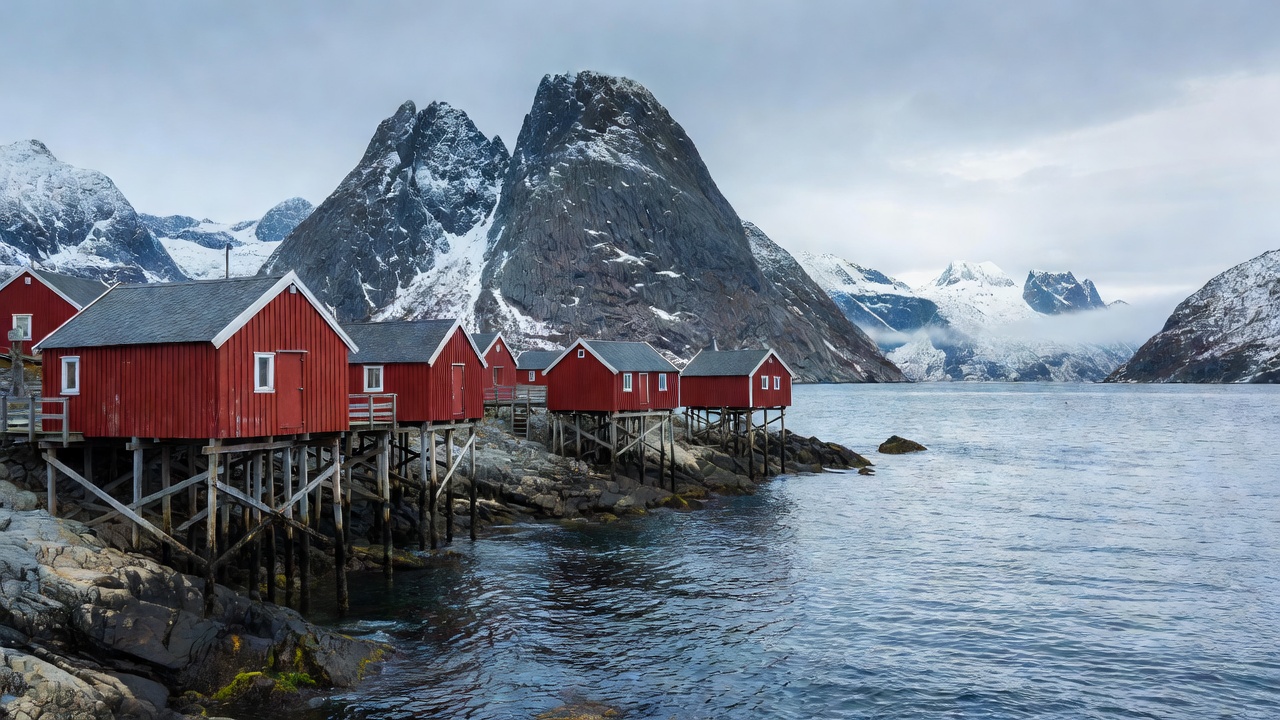
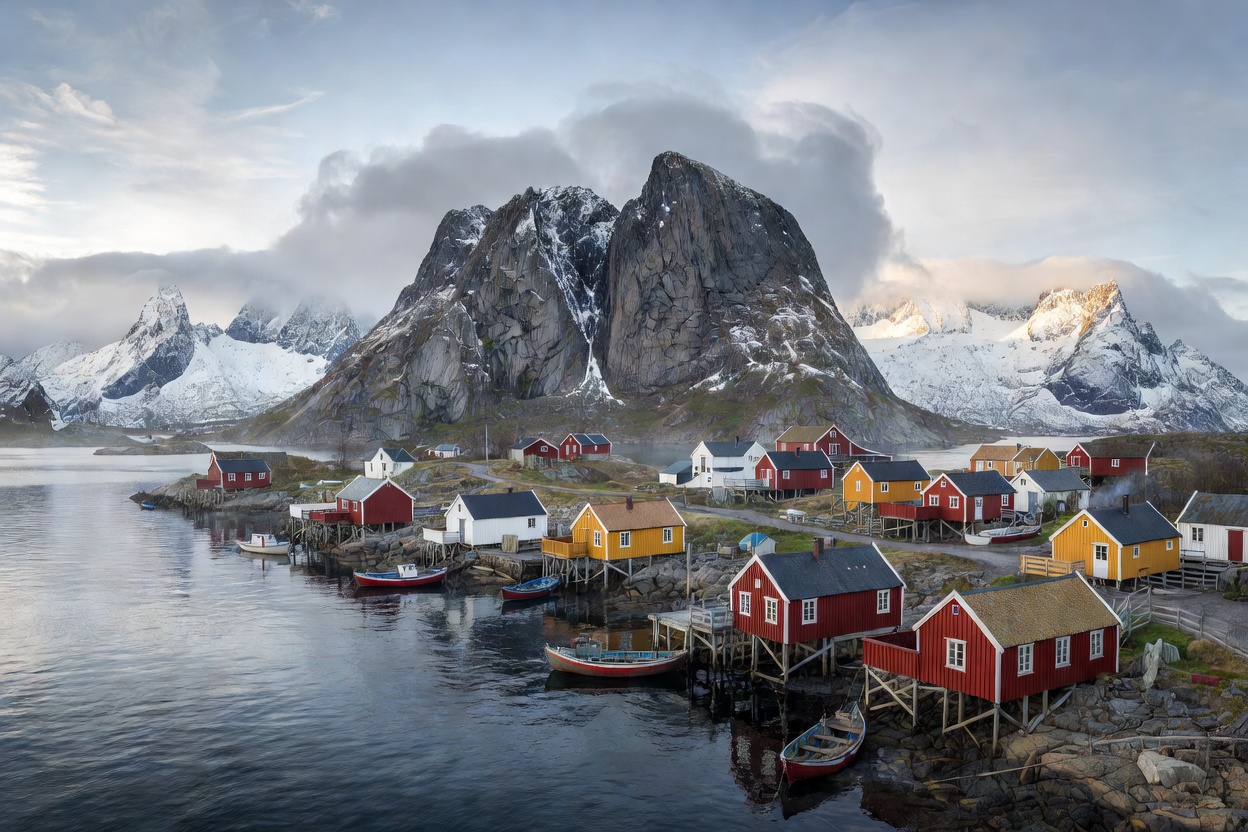
Situated on the island of Moskenesøya in the Lofoten archipelago, Reine demonstrates the survival of functional fishing architecture against relentless North Atlantic conditions.
Unlike continental settlements anchored by limestone or clay bricks, Reine relies upon pitch-treated Scots pine. These traditional stilt cabins—known locally as rorbuer—were constructed over granite tidal flats to afford direct small-boat access during the seasonal skrei cod runs.
The settlement retains its strictly functional maritime orientation. Red ocher paint, traditionally compounded with cod-liver oil and natural iron oxides, continues to preserve timber envelopes against aggressive salt gale erosion.
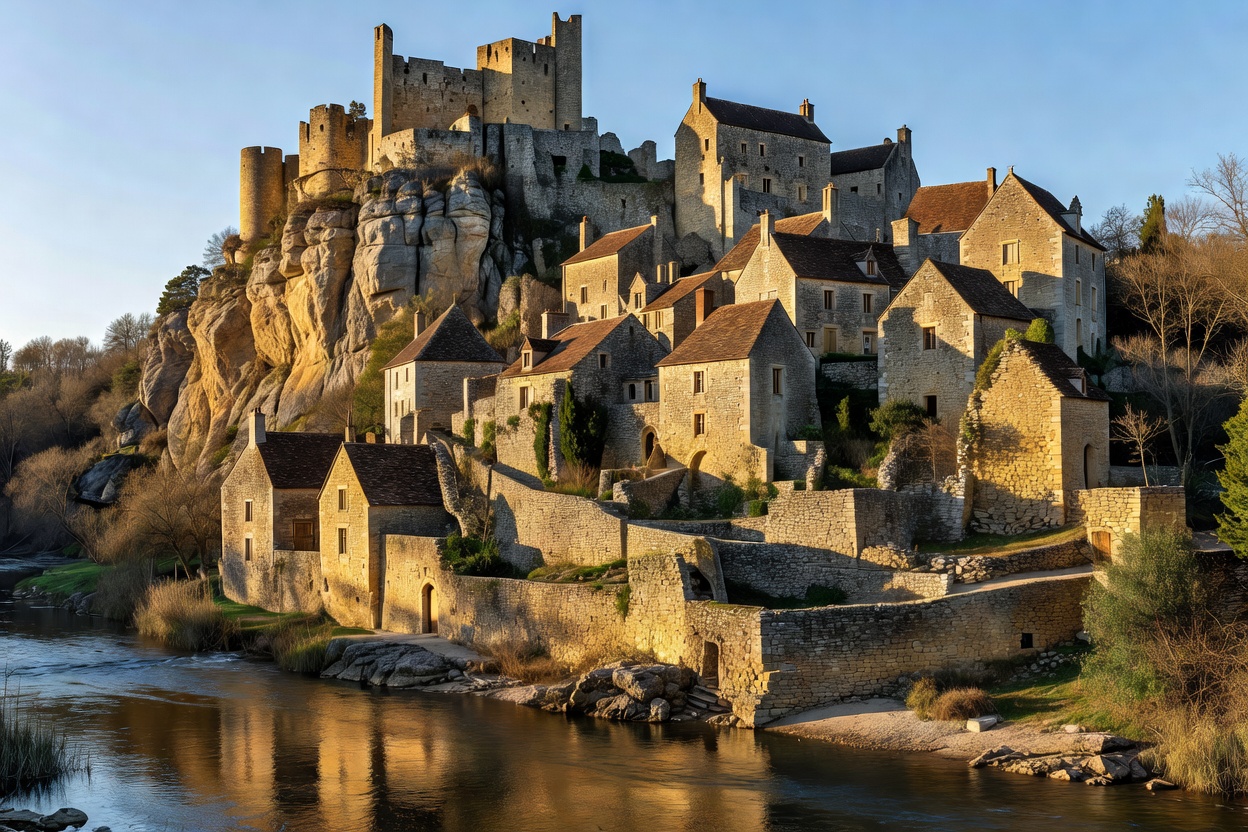
Explore Nordic Coastal Architecture →The fortified hamlet of Beynac-et-Cazenac rises perpendicularly from the Dordogne river, showcasing medieval defensive dry stone and lime-mortar masonry dating from the 12th century.
Ascending from the towpath to the battlements of Château de Beynac, the village represents a masterclass in adapting residential quarters to sheer river cliffs. Narrow cobblestone passageways, known as calades, were engineered with water-diverting gutters to withstand heavy seasonal rainfall.
The local golden limestone is capped by massive lauze roofs—hand-split stone slabs weighing up to several hundred kilograms per square metre. This immense structural load necessitated thick load-bearing perimeter walls with minimal window openings.
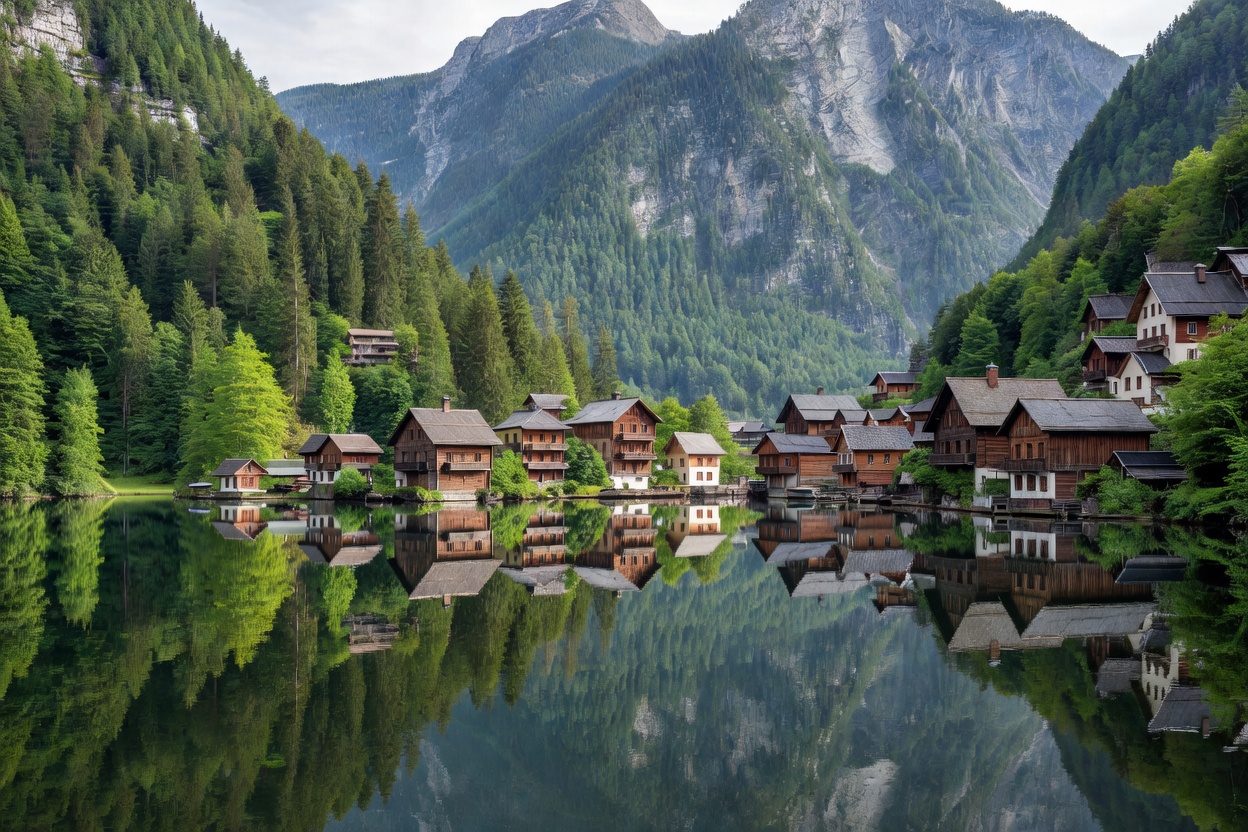
Examine French Ramparts & Villages →Enclosed between the sheer Plassen mountain and the Hallstätter See, Hallstatt was accessible only by watercraft or narrow alpine ridge tracks until the late 19th century.
Because the vertical rock faces offer virtually no level building ground, the settlement's 16th-century houses are notched directly into the mountain face or supported on larch piles driven into the lake bed. Multi-tier wooden balconies and shingled roofs overlap across tiny terraces.
Centuries of continuous wealth generated by prehistoric rock-salt extraction permitted high craftsmanship despite acute physical isolation, leaving an irreplaceable concentration of late-Gothic alpine architecture.
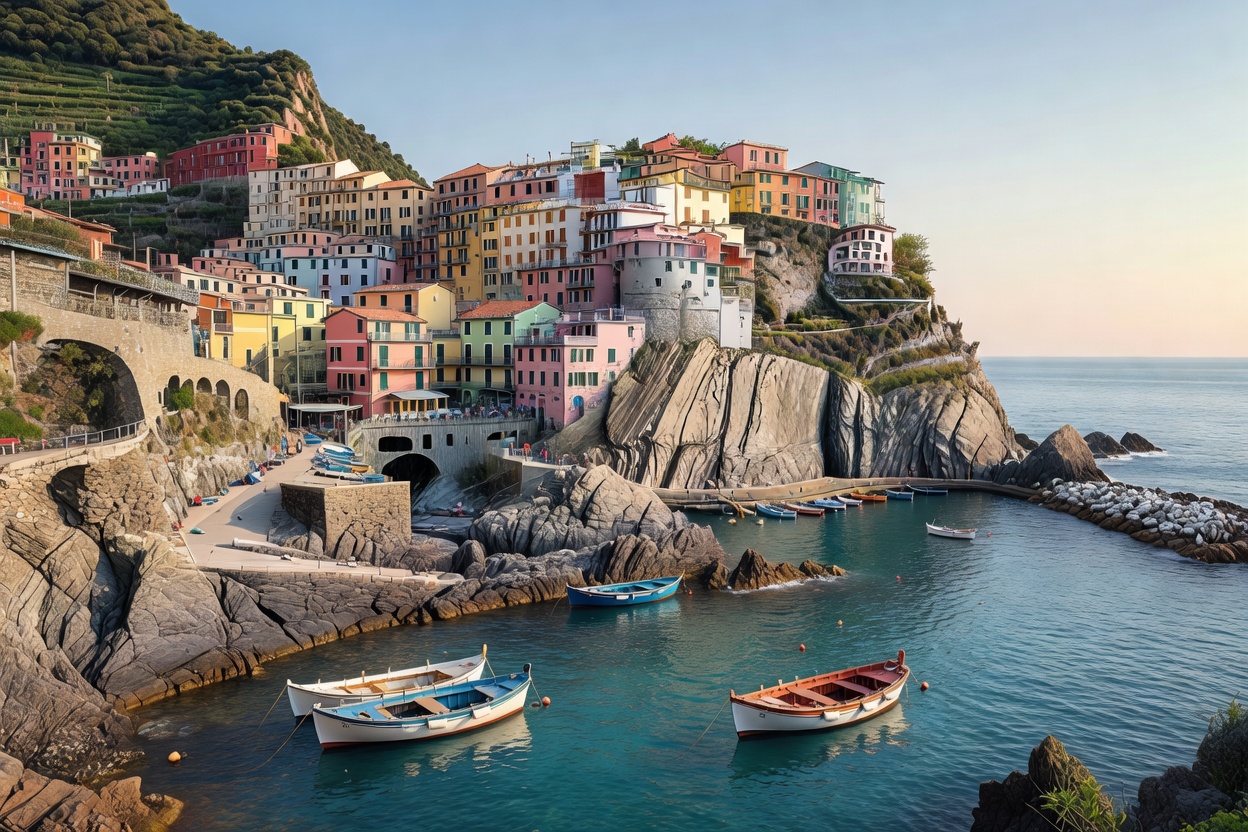
View Alpine Stone & Timber Havens →Carved into a natural sea cleft along the Cinque Terre, Vernazza exemplifies dry-stone agrarian engineering paired with dense maritime residential clusters.
Vernazza’s signature structural typology is the case-torri (tower-houses)—slender four-to-five-storey domestic structures erected tightly together to serve both as living quarters and defensive bastions against historic Saracen raids from the sea.
Behind the harbour, over seven thousand kilometres of hand-built dry-stone retaining walls (muretti a secco) support steep vineyards. These earthen terraces prevent catastrophic hillside erosion while channeling Mediterranean moisture.
Survey Mediterranean Coastal Enclaves →Understanding preserved European settlements requires respecting pedestrian traditions, seasonal weather shifts, and architectural conservation protocols.
Historical cores frequently ban motorised transit. Approaching on foot via ancient mule tracks and GR footpaths reveals spatial planning originally calibrated for human pace.
Visiting during transitional months (late autumn or early spring) allows genuine visual access to stonework textures, acoustic quietude, and daily residential life free from seasonal crowds.
European heritage designations—including France’s Les Plus Beaux Villages and Italy’s Borghi più belli—enforce strict regulations governing window joinery, roof slate, and lime renders.
We use cookies Some cookies are needed for the site to work. Others help us understand how it is used. You can change your choice later. Read more